
Anti-islanding Test & Detection Platform
Uses precision RLC loads to simulate islanding after grid failure, verifying that grid-tied inverters and storage converters detect islanding and disconnect reliably.
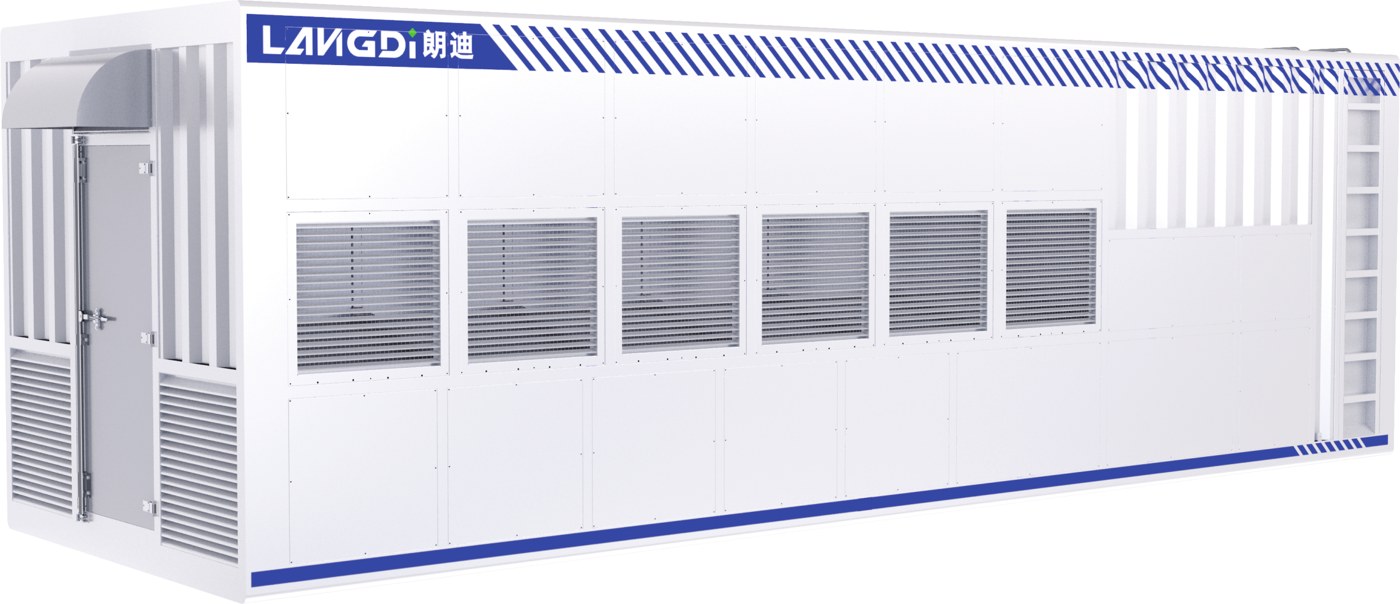
Overview
The anti-islanding test and detection platform is a professional testing system that uses precision RLC loads to simulate islanding conditions after grid power failure, verifying whether grid-connected inverters, energy-storage converters and similar equipment can quickly detect islanding and reliably disconnect from the grid. As a core device for safe new-energy grid connection, it is widely used in factory acceptance tests, type tests and grid-connection permission tests.
Applications
- Active and passive anti-islanding detection tests
- Low-voltage ride-through and harmonic content testing
- PV and storage grid-connection permission testing
Specifications
| Voltage range | 0–1000V |
|---|---|
| Current range | 0–10000A |
| Frequency | 50/60Hz |
| Power | 0–4000kW |
| Measurement accuracy | Voltage/current/power ±0.5%FS, frequency ±0.1%FS |
Need a configuration and quotation for your specific unit? Our test engineers reply within one working day.
Inquire about this productRelated products
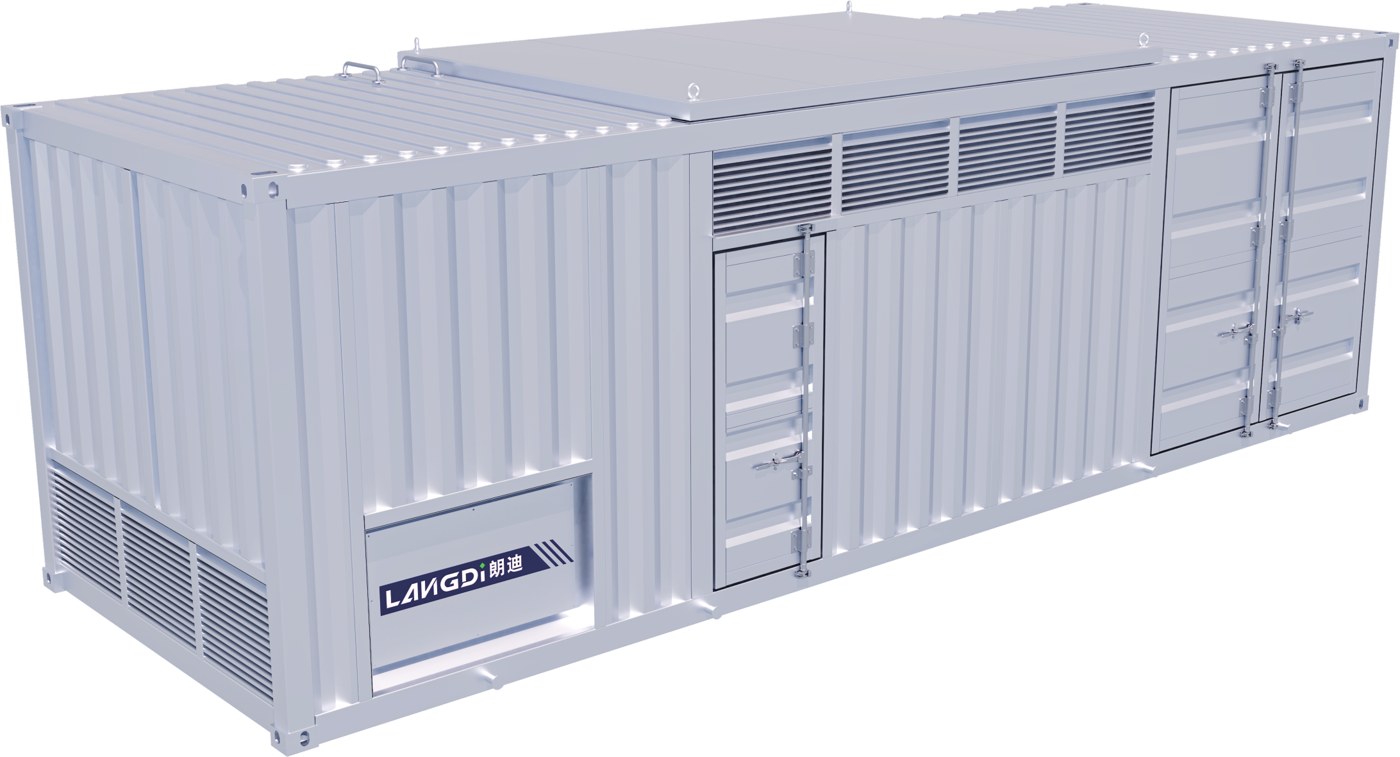
Simulates weak-grid conditions such as high network impedance, voltage/frequency fluctuation and three-phase imbalance to verify the grid adaptability of inverters and converters.
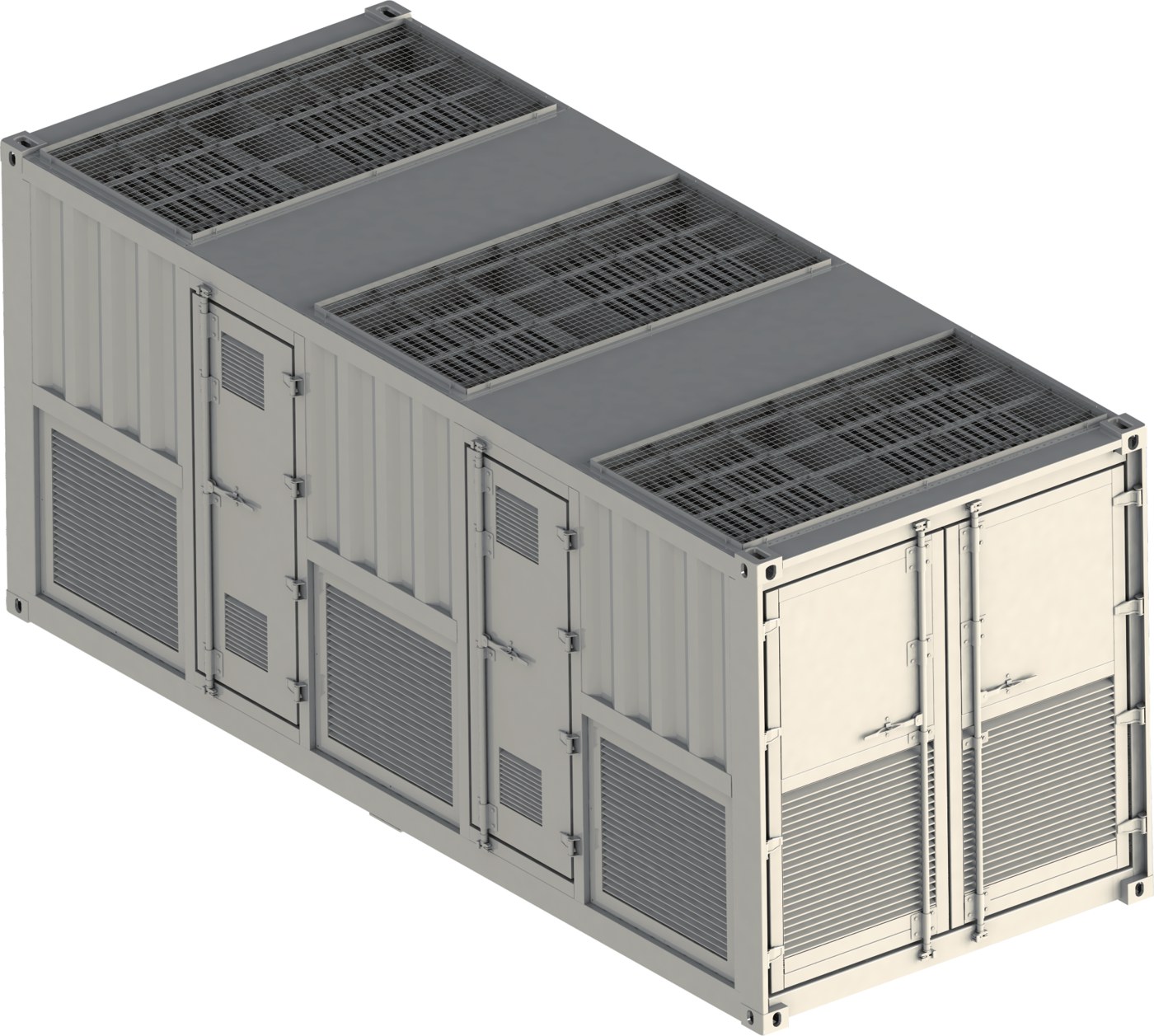
In-house RLC load banks covering AC 400V–13.8kV up to 10,000kW for performance and steady-state aging testing of gensets, UPS, PV inverters and storage PCS.
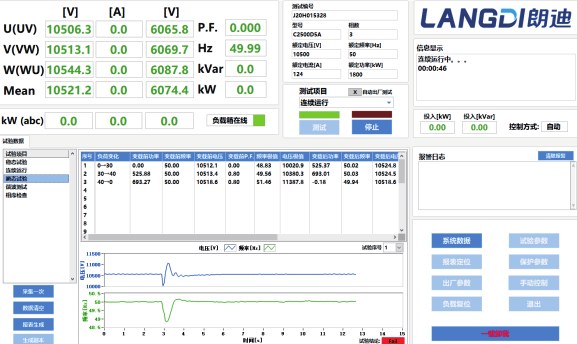
Computer-based test system with a PLC control core and high-speed data acquisition for steady-state, transient, continuous-operation and harmonic testing of generator sets.